India’s real estate sector has always been closely connected to changing economic conditions. In 2026, with India’s retail inflation currently holding near 3.48%, investors are paying closer attention to how inflation influences different asset classes. Rising costs of goods, services and construction materials have impacted buying decisions, development expenses and investment strategies across the country.
Despite these market changes, real estate continues to remain one of the most preferred long-term investment options during uncertain economic conditions. For many buyers, understanding inflation and real estate is essential for making smarter property decisions. Property is often considered a strong hedge against inflation because both real estate values and rental income generally appreciate over time. This makes property investment an attractive choice for individuals seeking wealth preservation and long-term financial growth.
Understanding Inflation and Its Impact on Real Estate
Inflation refers to the gradual increase in the prices of goods and services over time. As inflation rises, purchasing power decreases and everyday expenses become more expensive. This economic trend also directly impacts construction materials, labour costs and property prices.
The impact of inflation on house prices is clearly visible across cities like Pune and PCMC, where housing demand continues to remain strong despite rising costs. As the prices of land, steel, cement and transportation increase, developers often adjust property pricing accordingly.
This creates a direct relationship between inflation and housing prices. Property values generally appreciate during inflationary periods because replacement and development costs become significantly higher over time.
Why Real Estate Performs Well During Inflation
One of the major reasons investors prefer real estate during inflationary periods is its ability to offer stable long-term value. Unlike certain investment options that may lose purchasing power over time, property assets tend to appreciate steadily.
Some important advantages include:
- Property values often rise alongside economic growth
- Rental income may increase over time
- Real estate offers tangible asset ownership
- Demand for quality housing remains strong across Pune and PCMC
These factors continue to make real estate a dependable investment option during changing economic conditions.
How Does Inflation Affect House Prices?
Many homebuyers frequently ask how inflation affects house prices in today’s market. The answer depends on several factors, including demand, supply and infrastructure development.
When inflation increases, construction costs also rise. Developers may pass these higher expenses on to buyers through increased property prices. At the same time, urban population growth and rising demand for premium housing continue to support property appreciation.
Another important factor influencing inflation and housing market trends is the availability of land in prime locations. Limited supply in high-demand areas often pushes property prices higher during inflationary cycles.
Cities like Pune and PCMC, supported by strong infrastructure development and employment opportunities, continue to witness better price stability and long-term appreciation.
Buyer Trends During Inflationary Periods
Modern homebuyers are becoming increasingly strategic while making property decisions. Many families now prefer larger homes that support flexible lifestyles and work-from-home requirements.
This shift has increased demand for:
- Spacious apartments with lifestyle amenities
- Homes in integrated communities
- Properties near business hubs
- Projects with long-term investment potential
The growing focus on comfort, convenience and future-ready living continues to shape inflation in the housing market across Pune, PCMC and other expanding urban centres. Buyers are also paying close attention to connectivity, social infrastructure and future development potential before investing.
The Role of Infrastructure in Property Appreciation
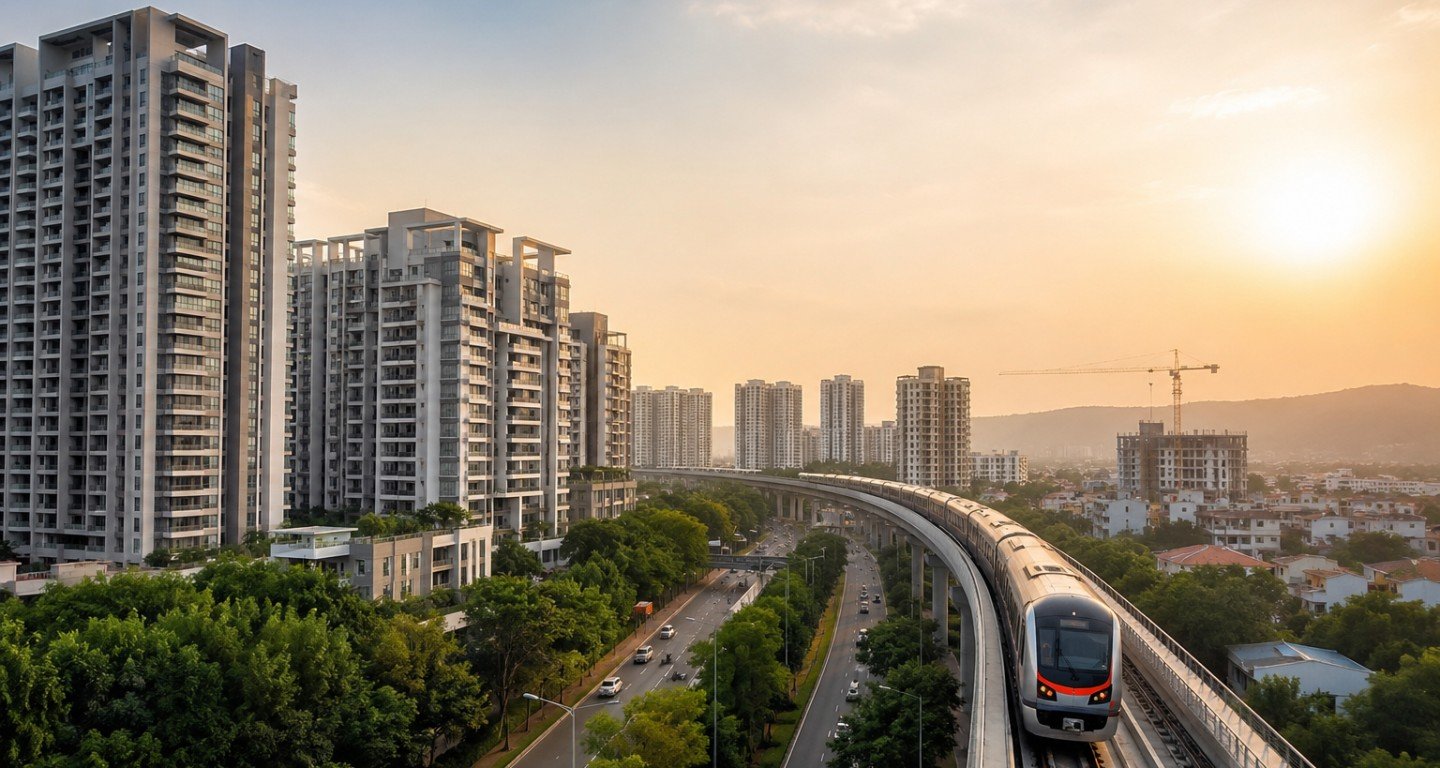
Infrastructure development plays a major role in supporting property demand during inflationary periods. Locations with metro connectivity, highways, commercial hubs and educational institutions often witness stronger appreciation trends.
Improved infrastructure creates better accessibility and increases the desirability of residential neighbourhoods. This helps maintain strong housing demand even during inflationary cycles.
The real estate inflation rate in India is also influenced by infrastructure investments and urban expansion. Government initiatives focused on smart cities, metro connectivity, transport development and economic corridors continue to boost residential demand across Pune, PCMC and other key residential markets.
Locations with strong future development plans generally perform better over the long term and continue attracting both investors and end-users.
Interest Rates and Property Investment
Inflation also impacts home loan interest rates. Central banks may increase interest rates to control inflation, which can slightly affect affordability for buyers.
However, real estate continues to remain attractive because property ownership offers long-term stability and wealth creation opportunities. Many investors still consider real estate a safer investment option compared to volatile market-linked assets during uncertain economic conditions.
This is one of the key reasons why inflation and real estate continue to remain closely connected in long-term investment planning.
Practical Tips for Property Buyers During Inflation
Investing wisely during inflationary periods requires careful planning and market understanding. Buyers should focus on long-term value rather than short-term price fluctuations.
Here are a few practical tips:
- Choose locations with strong infrastructure growth
- Invest in reputed developers with proven credibility
- Evaluate future appreciation potential carefully
- Prioritise projects with lifestyle and connectivity advantages
- Consider long-term rental demand before investing
Trusted developers like Platinum Group continue to deliver thoughtfully designed residential projects that align with evolving buyer expectations and modern urban lifestyle needs.
Why Real Estate Remains a Smart Long-Term Investment
Many investors still wonder how inflation will affect the housing market in the coming years. While short-term market movements may vary, the long-term outlook for Indian real estate remains positive.
Urbanisation, rising income levels and infrastructure development continue to drive housing demand across cities like Pune and PCMC. Premium residential developments in well-connected locations are expected to witness sustained demand from both homebuyers and investors.
Real estate continues to offer stability, long-term appreciation and wealth creation potential even during changing economic conditions.
Conclusion
Understanding inflation and housing prices can help buyers make smarter investment decisions in today’s evolving market. While inflation may increase construction expenses and property prices, real estate continues to provide strong long-term value and wealth preservation benefits.
As inflation continues to shape investment decisions, real estate remains one of the most reliable paths to long-term wealth creation. Explore Platinum Group’s premium projects and invest in a future built on stability, growth, and value. Contact Us Today: https://platinumgroup.co/contact-us/
FAQs
Does inflation increase property prices?
Yes, inflation generally increases construction costs and property values over time.
Is real estate a good investment during inflation?
Yes, real estate is often considered a strong hedge against inflation.
Why do property prices rise during inflation?
Higher land, labour and material costs contribute to rising property prices.
Does infrastructure affect property appreciation?
Yes, strong infrastructure development supports long-term property value growth.
How can buyers invest wisely during inflation?
Buyers should focus on location, developer credibility and future growth potential.
Recent Blog

West-Facing Flat Vastu: Layout Tips for Positive Energy


How PCMC’s Growth Is Transforming Moshi into a Prime Residential Hub
-
How Upcoming Infrastructure Projects Are Driving Property Growth in Moshi
-
Why Location Matters: The Advantages of Buying a Home in Moshi