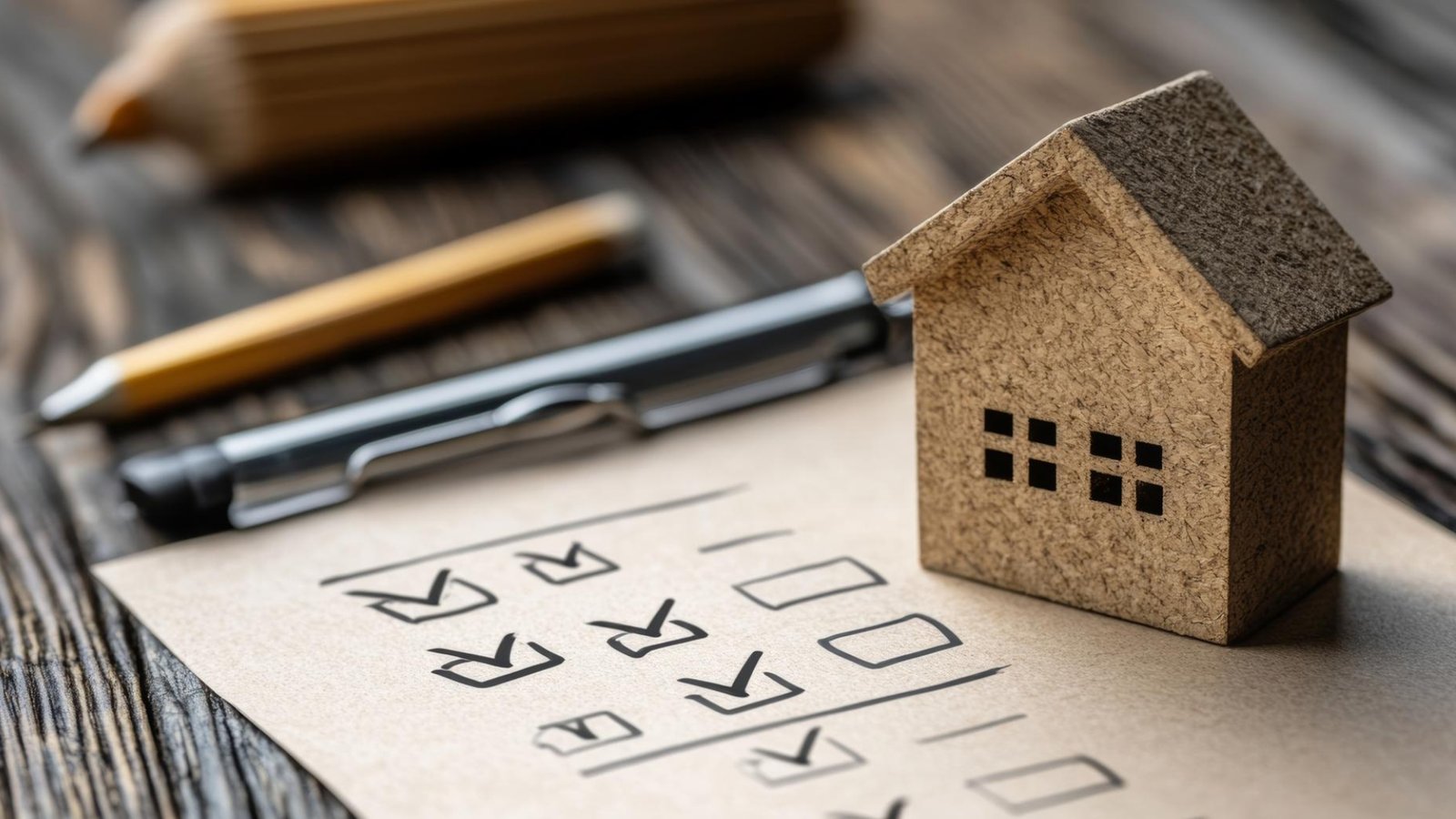
Rain leaves clues that a sunny site visit can miss. This post-monsoon home inspection checklist helps buyers in Pune examine the apartment, shared spaces and surrounding access before committing. In Moshi, assess the exact building and route rather than relying on locality-wide assumptions.
What should you check after the monsoon?
Inspect dampness, windows, plumbing, drainage, parking, approach roads and documents; refer suspected structural or electrical problems to qualified professionals.
1. Check Walls and Ceilings for Dampness and Seepage
Look for stains, bubbling paint and white deposits
During a water seepage inspection, note yellow stains, blistering paint, powdery white deposits, crumbling plaster and visible mould.
Inspect corners, window surrounds and ceilings
Check external walls, ceiling junctions, AC openings and surfaces beneath terraces for dampness in apartment walls.
Look beyond fresh paint
Fresh paint alone proves nothing. Musty odours or recurring patches deserve investigation; the US EPA links hidden mould concerns with moisture and previous water damage.
2. Inspect Windows, Doors and External Sealing
Check frames, sealant and sliding tracks
Look for gaps, deteriorated sealant, water marks and blocked frame drainage channels.
Check balcony doors and window operation
Open each unit, noting jamming, damaged seals and moisture around frames.
Ask about previous leakage repairs
Request the cause, repair method, date and available records of earlier leaks.
3. Inspect Bathrooms, the Kitchen and Plumbing
Test taps, showers and toilet flushes
A plumbing inspection before buying a flat should cover flow, flushing, visible leakage and drainage.
Inspect under sinks and around sanitary fittings
Look inside cabinets for moisture, stains, mould and loose connections.
Check bathroom and kitchen floor drainage
Observe persistent pooling; one successful drainage test cannot establish concealed waterproofing integrity.
Inspect adjoining walls
Dampness behind wet areas warrants investigation of pipework and waterproofing.
4. Examine the Balcony, Utility Area and Terrace
Check balcony slope and drainage
Look for standing water, pooling residue, blocked outlets and moisture entering rooms.
Inspect terrace-related risks in top-floor flats
With permission, inspect accessible terraces for ponding and blocked outlets. Ask about waterproofing history.
Check utility areas and external pipe penetrations
Examine exposed pipes and service openings for visible leaks or damaged sealing.
5. Check Floors, Tiles, Doors and Visible Cracks
Look for loose tiles and uneven flooring
Note hollow-sounding tiles, damaged grout, lifted surfaces and damp skirting.
Check doors and windows for unusual changes
Poor closing may reflect swelling, alignment or other causes; investigate rather than diagnose.
Know when to bring in an expert
Significant or widening cracks, exposed reinforcement, deteriorating concrete or settlement signs require structural engineering assessment, not diagnosis from photographs.
6. Test Electrical Safety Carefully
Look for signs of moisture near sockets and switchboards
Observe water marks, rust, discolouration and damaged fittings without opening equipment.
Ask about earthing and electrical inspections
Request available inspection records and arrange professional verification where necessary.
Do not touch wet electrical fittings
Keep clear of wet sockets, switchboards and live equipment. Ask a qualified electrician to assess them; avoid hands-on testing.
7. Inspect the Building’s Common Areas and Parking
Basement and podium parking
Look for waterlines, standing water, damp walls, corrosion and recurring drainage problems.
Staircases, corridors and lift lobbies
Check shared ceilings for leakage and floors for slippery wet patches.
Lifts, pumps and backup power
Ask about rain-related outages, basement dewatering pumps, servicing and essential backup arrangements.
Terrace, external walls and rainwater drainage
Confirm maintenance responsibilities and significant repair history. A dry apartment does not establish that the wider building drains effectively.
8. Check the Approach Road and Neighbourhood Around the Property
Look for waterlogging and drainage concerns
When buying a flat in Moshi, inspect the actual entrance, low points and visible stormwater drains.
Ask residents or local shopkeepers about heavy-rain conditions
Ask whether rainfall disrupts access or parking, then corroborate reports where possible.
Observe access to essential services
Use your flat inspection checklist in Pune to assess practical workplace, transport, healthcare and shopping routes.
For our Platinum Citylights location, test the approach you would actually use rather than assuming uniform conditions across Moshi.
9. Review Documents Before Committing to the Purchase
Verify MahaRERA registration where applicable
Search the correct project and phase through the official MahaRERA portal and review disclosed information.
Verify the occupancy or completion documentation
Check applicable OC and CC documentation, including coverage of the relevant building; these documents serve different purposes.
Compare the flat with the agreement and specifications
Match carpet area, fixtures, fittings, amenities and applicable approved plans.
Ask about warranties and defect rectification
Request written warranty terms, reported-defect records and waterproofing repair details.
Understand the RERA defect-rectification provision
Section 14(3) covers specified defects notified within five years of possession, requiring free rectification within 30 days. Coverage depends on the defect and circumstances; seek legal guidance for disputes.
10. What to Check Depending on the Type of Flat You Are Buying
Ready-to-move flat
Inspect finishes, working utilities, drainage, common areas and applicable completion documentation.
Resale flat
Investigate previous repairs, repeat leakage, damp wardrobes, society records and outstanding dues.
Under-construction flat
Access authorised areas only. Review site drainage, progress, quality records, approvals and MahaRERA disclosures.
Newly handed-over flat
Prepare a dated defect list and submit photographs through the documented handover process.
11. Red Flags That Need Further Investigation
Pause for clarification or independent assessment when you encounter:
- Active leakage or recurring dampness.
- Musty odours with suspected concealed moisture.
- Significant cracks or deteriorating concrete.
- Exposed or corroded reinforcement.
- Water entering electrical installations.
- Repeated basement or approach-road waterlogging.
- Unexplained repairs without records.
- Important documents that cannot be verified.
A warning sign requires investigation, although it does not automatically mean rejecting the property.
12. How to Document Inspection Findings and Follow Up
Take dated photographs and notes
Record each concern’s location, observation date and relevant weather conditions.
Ask written questions
Request explanations, repair history, corrective measures and proposed completion dates.
Request professional assessment where needed
Use a structural engineer for structural concerns, an electrician for electrical hazards and a lawyer for material documentation issues.
Revisit after repairs if necessary
Check repair details and revisit where practical; a repainted surface cannot establish that the underlying cause is resolved.
13. What Should Homebuyers in Moshi Check Before Buying a Flat?
Bring these checks together before deciding:
- Approach road condition and drainage after rain.
- Parking, basement and entrance water removal.
- Window sealing and external-wall seepage.
- Water pressure and bathroom drainage.
- Ventilation and moisture control.
- Access to everyday services.
- Project documents and applicable approvals.
- Repair history and maintenance records.
- Total acquisition cost.
- Identified remediation costs and responsibilities.
Evaluate the property you are considering, including affordable repair provisions where required.
How to Evaluate a Flat at Platinum Citylights, Moshi
Our Platinum Citylights project offers 2 and 3 BHK homes in Moshi. Use the same inspection principles when comparing our homes with other options.
Review the relevant floor plan, agreed specifications, applicable approvals and available building-system information. Ask our team about drainage, construction-stage access and defect-reporting procedures rather than relying on appearance alone.
FAQs
What should I check before buying a flat after the monsoon?
Inspect moisture, sealing, plumbing, drainage, electrical warning signs, shared spaces, access roads and documents.
Why is post-monsoon inspection important when buying a flat?
Rainfall can expose water ingress, drainage weaknesses and moisture damage that dry-weather visits miss.
How do I identify water seepage in an apartment?
Look for recurring stains, peeling paint, damp plaster and musty odours, then investigate their source.
What are the signs of poor waterproofing?
Recurring dampness, water entry and persistent pooling warrant investigation but do not establish the cause alone.
Can fresh paint hide dampness or leakage?
Fresh paint can obscure surface marks without resolving the underlying moisture source.
What should I inspect in a bathroom before buying a flat?
Check flow, flushing, visible leaks, drainage, fittings and adjoining walls for moisture.
How do I check whether a balcony has proper drainage?
Observe outlets, pooling residue and permitted drainage tests without deliberately flooding the balcony.
What should I check in a building’s basement parking?
Inspect waterlines, standing water, dampness, corrosion and dewatering arrangements.
Conclusion
A post-monsoon home inspection checklist turns observations into informed questions and clearer buying decisions. Explore Platinum Citylights at Platinum Group and speak with our team about specifications, documentation and inspection arrangements before choosing your home.
Recent Blog

Post-Monsoon Home Inspection Checklist: What to Check Before Buying a Flat

-
Freehold vs Leasehold Land: Everything Homebuyers Need to Know
-
Good Residential Area in Pune Checklist: How Moshi Measures Up
-
Good Residential Area in Pune Checklist: How Moshi Measures Up