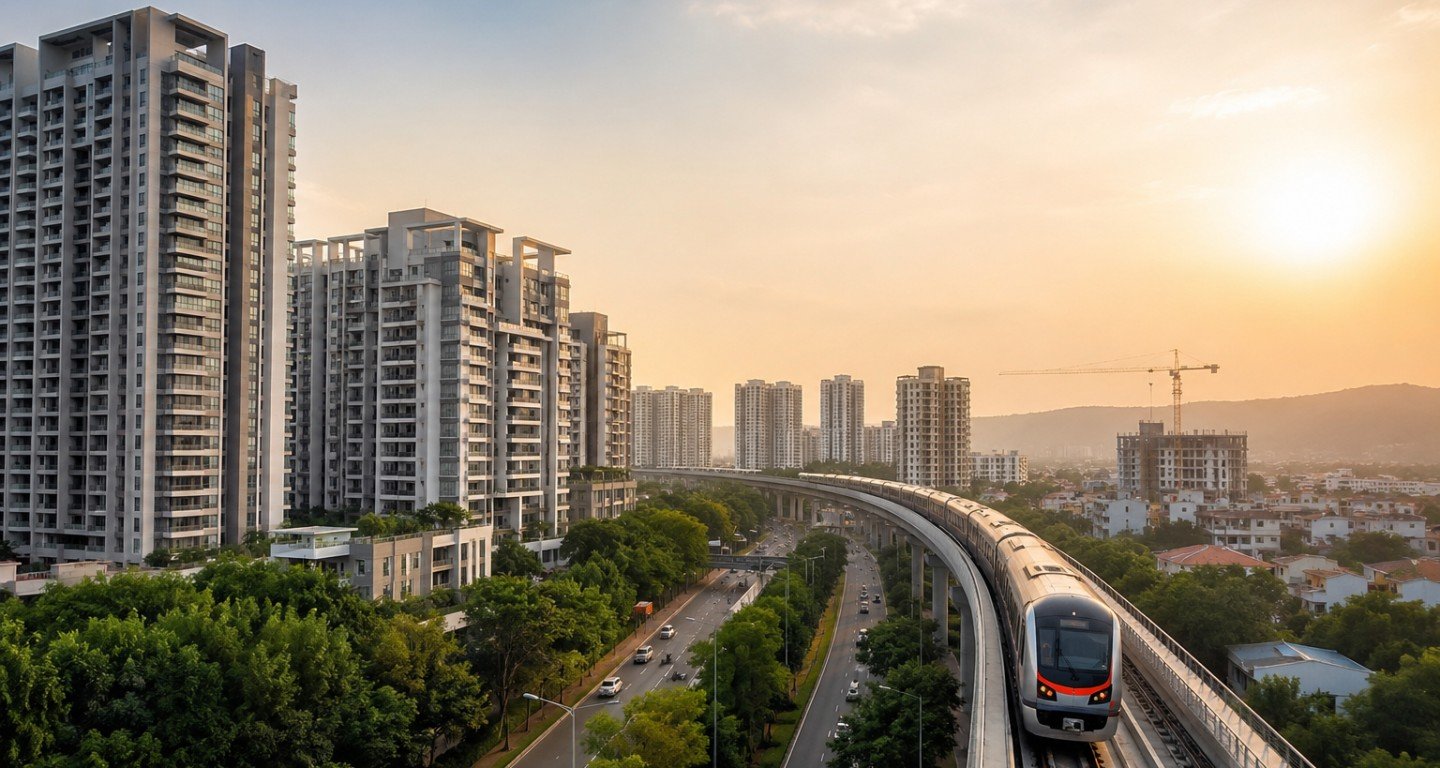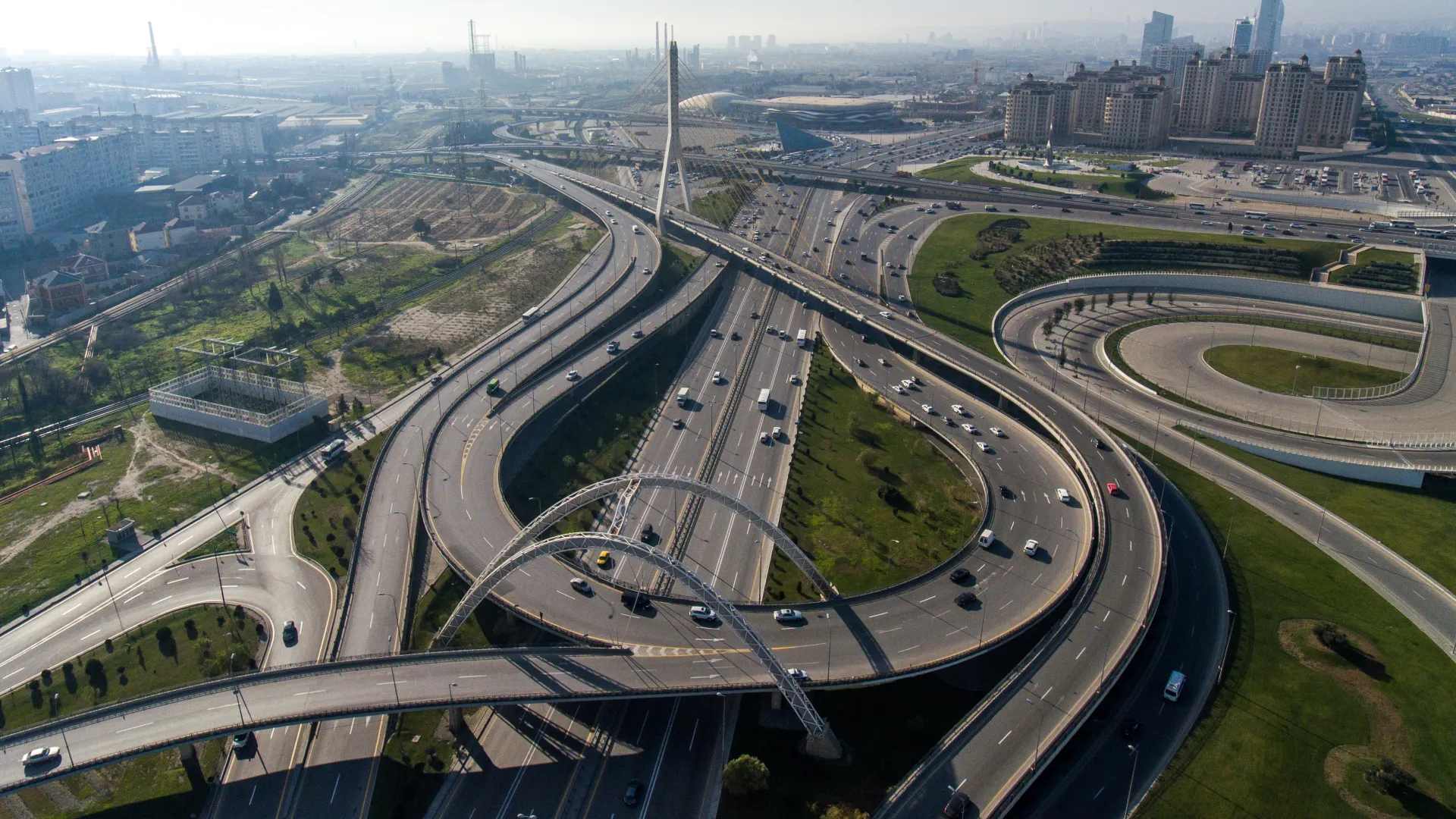
Moshi is gradually moving beyond its earlier identity as a peripheral PCMC locality. Road development, civic infrastructure, employment access and newer residential communities are shaping it into a more practical urban neighbourhood for families and professionals.
How is PCMC growth transforming Moshi?
PCMC’s expansion is improving roads, civic services and employment connectivity, making Moshi increasingly practical for homebuyers seeking newer housing within a growing residential environment.
Why PCMC’s Expansion Matters to Moshi
Urban Development Creates New Residential Catchments
As Pimpri-Chinchwad expands, housing demand naturally reaches locations that were once considered peripheral. Better infrastructure can make these neighbourhoods more suitable for long-term living.
Better Civic Infrastructure Supports Livability
Roads, water supply, drainage, electricity and public services directly influence everyday comfort. As residential density rises, the quality of these systems becomes increasingly important.
Development Encourages Private Residential Investment
Infrastructure improvements can encourage residential development, increasing housing supply and buyer choice. However, every project should still be assessed individually for quality, location and execution.
How Moshi’s Connectivity Is Evolving
Moshi-Alandi Road
Moshi-Alandi Road serves as an important local connection for movement across this part of PCMC.
Road Links Across PCMC
PCMC planning identifies corridors including Dehu-Alandi Road and Pune-Alandi Road as important parts of the broader regional network around Moshi.
Access Toward Employment and Industrial Areas
Moshi provides road connectivity towards employment locations including Bhosari, Chakan and Talawade. This makes commute considerations particularly relevant for salaried professionals working across the PCMC industrial and commercial belt.
PCMC Road Development Around Moshi
New and Improved DP Roads
PCMC’s 2025-26 budget includes multiple road works around Moshi. These include completing the 30-metre DP road between Survey Nos. 575 and 252 and developing an 18-metre road from Moshi-Alandi Road towards Dudulgaon.
Why Local Roads Matter More Than Landmark Infrastructure
Large infrastructure projects attract attention, but the roads residents use every morning often matter more. Approach roads, junctions and neighbourhood connectivity directly affect school runs, workplace commutes and everyday travel.
Civic Infrastructure Is Changing What “Living in Moshi” Means
Water Infrastructure and Basic Services
As Moshi develops, water systems, drainage and civic services become important indicators of whether residential growth can remain comfortable over time.
Healthcare
PCMC’s 2025-26 budget refers to financing discussions for a proposed 700-bed multispecialty hospital at Moshi. This remains a project and financing initiative rather than an operational hospital.
Public and Community Infrastructure
Better civic facilities can strengthen everyday convenience and support long-term residential demand as the population grows.
Employment Growth Is Supporting Moshi’s Residential Demand
Bhosari, Chakan and Talawade
Moshi’s wider employment catchment includes Bhosari’s industrial ecosystem, Chakan MIDC and employment activity around Talawade.
The demand relationship is straightforward:
Jobs → commuting households → rental demand → homeownership demand → residential development
For buyers, actual workplace accessibility should remain more important than locality-level marketing claims.
Why More Families Are Considering Flats in Moshi
New residential development gives families a broader choice of home configurations and community formats.
Buyers evaluating flats in Moshi can also consider access to education, healthcare, retail and everyday conveniences. The value of a home should ultimately be judged through usable space, project quality and daily livability.
Why Moshi Can Appeal to Salaried Professionals
Moshi can be relevant for professionals working across Bhosari, Chakan, Talawade and surrounding PCMC employment areas.
Instead of choosing solely on purchase price, salaried buyers should test peak-hour routes and calculate whether the location works comfortably for their daily routine.
Is Moshi Becoming a Prime Residential Hub in PCMC?
| Growth Factor | Current Situation | Potential Residential Impact |
| Road connectivity | Developing | Greater accessibility |
| Civic infrastructure | Expanding | Improved livability |
| Employment access | Strong regional catchment | Housing demand |
| Social infrastructure | Growing | Family appeal |
| Residential supply | Increasing | More buyer choice |
| Future infrastructure | Mixed stages | Long-term potential |
Moshi’s progress is encouraging, but future infrastructure should never be treated as guaranteed appreciation.
Moshi vs Other PCMC Residential Locations
Moshi can suit buyers prioritising newer housing and access to northern PCMC employment corridors.
Chikhali offers another developing residential environment. Pimpri provides a more established urban ecosystem, while Ravet and Tathawade may suit buyers prioritising western PCMC and Hinjawadi connectivity.
The better locality depends on budget, workplace and lifestyle.
What Buyers Should Check Before Buying a Flat in Moshi
Before purchasing, buyers should:
- Verify existing and proposed infrastructure separately
- Check the exact project location
- Review MahaRERA information
- Assess the developer’s track record
- Calculate total ownership cost
- Test peak-hour traffic
- Check water, parking and maintenance
Project-level due diligence remains essential even in a growing locality.
How PCMC Growth Could Shape Moshi’s Residential Future
Better roads, civic facilities and employment accessibility could strengthen Moshi’s residential relevance further.
However, future performance will depend on infrastructure execution, affordability, housing supply and how effectively the locality manages increasing residential development.
Explore Residential Opportunities in Moshi
At Platinum Group, our Platinum Citylights offers ongoing 2 and 3 BHK UrbaNature Homes in Moshi. The project includes a swimming pool, clubhouse, multipurpose court, open gym, rooftop café workspace and yoga space.
Platinum Citylights is registered under MahaRERA No. P52100054911.
FAQs
1. Why is Moshi becoming a residential hub in PCMC?
Road development, employment access, civic infrastructure and expanding housing supply are supporting Moshi’s residential evolution.
2. How is PCMC development affecting Moshi?
PCMC infrastructure initiatives can improve accessibility and strengthen everyday livability.
3. Is Moshi a good place to live in Pune?
Moshi can suit buyers whose workplace, budget and family requirements align with the locality.
4. Is Moshi suitable for families?
Yes, particularly when the chosen project provides convenient access to education, healthcare and daily essentials.
5. Is Moshi good for salaried professionals?
It can suit professionals working across Bhosari, Chakan, Talawade and nearby employment zones.
6. What infrastructure projects are improving Moshi?
PCMC currently lists DP road works around Moshi, while additional civic infrastructure initiatives are also under consideration.
7. How is Moshi connected to other parts of PCMC?
Moshi connects through regional roads towards Alandi, Bhosari, Chikhali and the wider PCMC network.
Conclusion
PCMC’s continued growth is helping Moshi evolve into a better-connected residential neighbourhood supported by roads, employment access and expanding civic infrastructure.
At Platinum Group, we believe long-term residential value begins with strong location fundamentals. Buyers exploring Moshi can learn more about our 2 and 3 BHK homes at Platinum Citylights.
Recent Blog

West-Facing Flat Vastu: Layout Tips for Positive Energy


How PCMC’s Growth Is Transforming Moshi into a Prime Residential Hub
-
How Upcoming Infrastructure Projects Are Driving Property Growth in Moshi
-
Why Location Matters: The Advantages of Buying a Home in Moshi